Is Tar and Chip Suitable for a Residential Pathway?
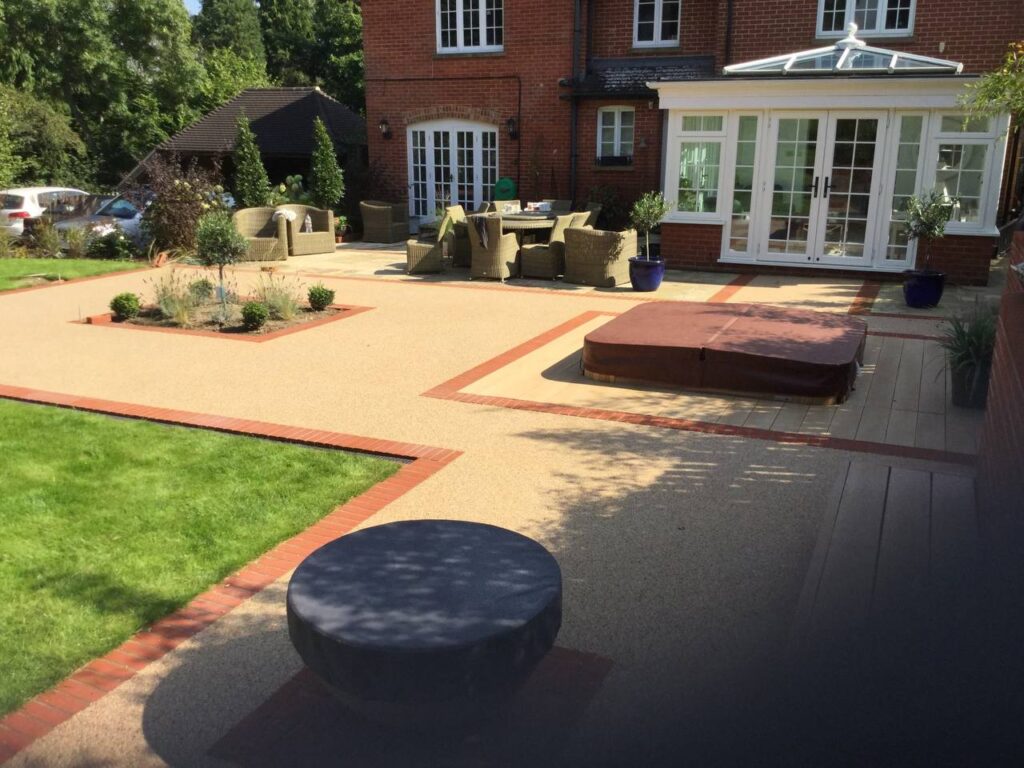
Tar and chip surfacing is widely associated with driveways and access roads, but it can also provide a practical finish for residential pathways. Its textured appearance works particularly well in gardens where a softer, more natural-looking surface is preferred to a completely uniform finish.
For homeowners in Fulbourn, Cambridgeshire, the suitability of tar and chip will depend on how the pathway will be used, the condition of the ground and the quality of its construction.
What to Consider Before Choosing Tar and Chip for a Pathway
How Tar and Chip Surfacing Is Constructed
Tar and chip is created by applying a hot bituminous binder to a prepared base before spreading stone chippings across the surface. The aggregate is then rolled into the binder to form a bonded, textured finish.
The appearance can vary according to the colour and size of the stone selected. This makes the surface adaptable to different garden styles while retaining the strength provided by the bituminous layer beneath.
It Provides a Durable Walking Surface
A correctly installed tar and chip path can withstand regular pedestrian use, garden equipment and changing weather conditions. The bonded construction helps prevent the widespread displacement often associated with loose gravel.
The surface must still be supported by a stable base. If the ground beneath it moves, sinks or retains water, cracking and uneven areas may eventually appear regardless of the quality of the visible finish.
The Textured Finish Can Improve Grip
The exposed stone gives tar and chip a naturally textured surface. This can provide useful grip on garden paths, particularly where smooth paving might become slippery when damp.
Aggregate selection and application must be carefully controlled. Excessively loose or oversized chippings may feel uncomfortable underfoot and make the path less suitable for pushchairs, wheelchairs or wheeled garden equipment.
It Can Suit Straight or Curved Pathways
Tar and chip can be laid around curves and used to create informal routes through a garden. Unlike individual paving units, the surface is not restricted by fixed slab or block dimensions.
Good planning is still important. The pathway should be wide enough for its intended use, and curves should remain comfortable to navigate rather than becoming unnecessarily tight.
Proper Edging Helps Maintain the Shape
Secure edging defines the path and supports the surfacing at its most vulnerable points. Without adequate restraint, the edges can break down under repeated foot traffic or contact with garden tools.
Edging also provides a neat division between the pathway and adjoining lawns, borders or planting areas. The chosen detail should complement the surrounding garden while giving the surface sufficient structural support.
Drainage Must Be Planned Before Installation
Every pathway needs to direct rainwater away effectively. Poorly planned falls can create puddles, soften the supporting ground and allow water to affect neighbouring areas.
Before the surface is installed, the site should be assessed for natural levels and drainage requirements. The finished path must have an appropriate gradient that allows water to disperse rather than collecting in low spots.
Some Loose Stone Is Normal at First
A newly installed tar and chip surface may retain a small amount of loose aggregate while the embedded chippings settle. This does not necessarily mean that the installation has failed.
However, continued widespread stone loss, exposed binder or bare areas can indicate that the aggregate has not bonded properly. Professional installation helps ensure that the correct materials and application methods are used.
Maintenance Is Generally Straightforward
Routine maintenance usually involves sweeping away leaves, soil and other debris. Keeping the surface clear helps prevent organic growth and allows drainage routes to remain open.
Weeds are most likely to appear around the edges or in areas where debris has accumulated. Any cracks, depressions or significant stone loss should be assessed before the problem extends further across the path.
When Might Another Surface Be More Suitable?
Tar and chip may not be the best option where an exceptionally smooth, seamless finish is required. Paths intended for frequent use by small-wheeled equipment may benefit from a surface with a finer and more uniform texture.
The most suitable choice should be based on the path’s purpose, gradient, surroundings and expected level of use. Assessing these factors before work begins produces a more practical result than selecting a material on appearance alone.
Why Professional Preparation Matters
The performance of a tar and chip pathway depends heavily on what lies beneath it. Ground preparation may involve excavation, levelling, compaction and the construction or repair of a suitable base.
Professional installers can also determine appropriate surface levels, edging details and aggregate selection. These elements work together to create a path that is stable, usable and visually suited to the property.
Conclusion
Tar and chip can be an effective choice for a residential pathway when a durable, textured and natural-looking surface is required. It can accommodate curved layouts and regular use, but its success depends on firm foundations, appropriate drainage and secure edging.
If you are considering a tar and chip pathway in Fulbourn, Cambridgeshire, contact Fulbourn Driveways to arrange an assessment. Our team can evaluate the intended use and ground conditions before recommending a suitable surfacing approach.
Call us on: 01223 857 079
Click here to find out more about Fulbourn Driveways
Click here to complete our contact form and see how we can help with your driveway needs.